Introduction
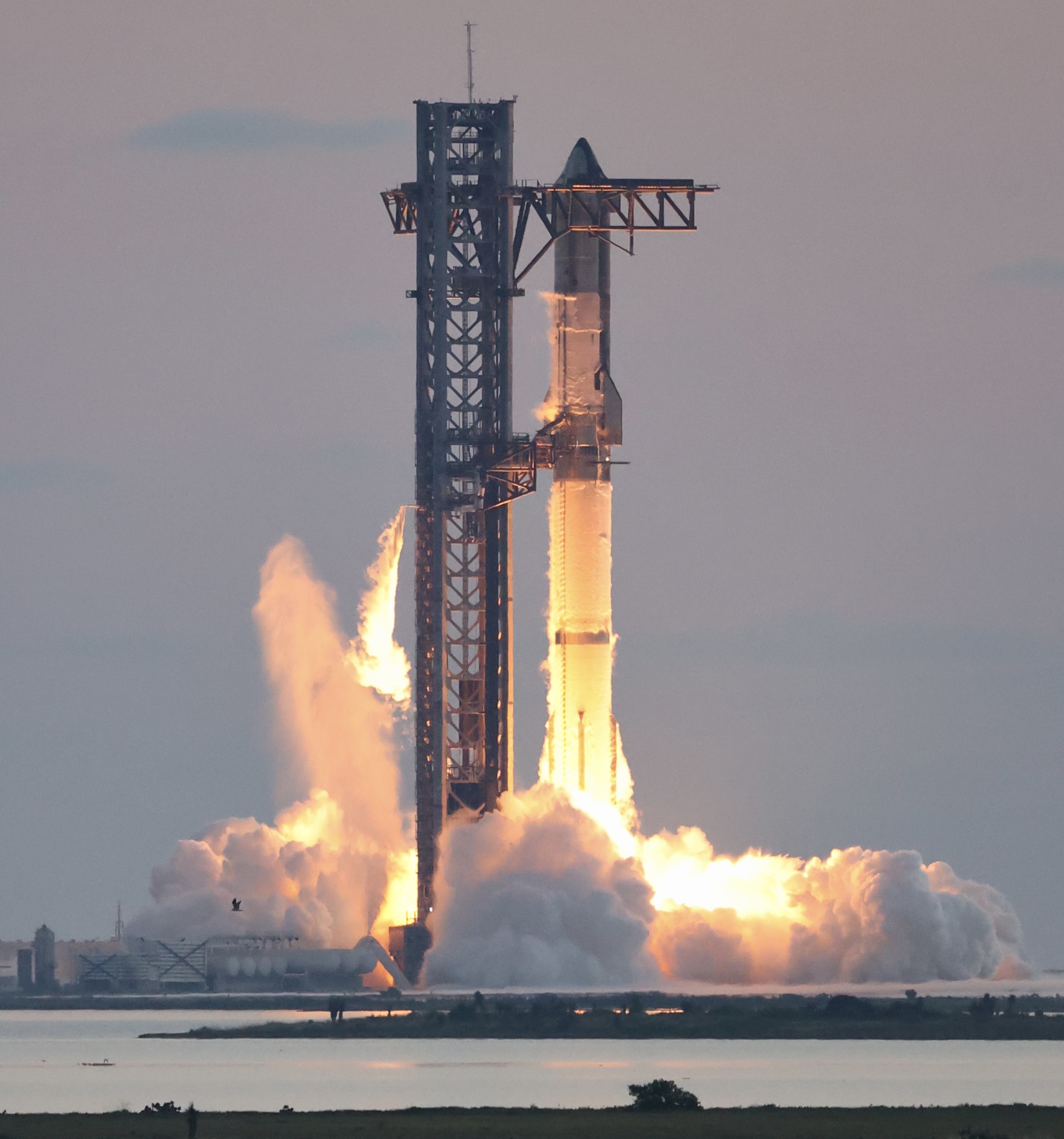
SpaceX is attempting something that would have seemed unimaginable just a few decades ago.
To transform space from a frontier of exploration into a domain of economic activity.
Rockets return. Satellites multiply. Ambitions grow.
But something less spectacular is growing alongside them.
The bill.
SpaceX has already transformed the economics of space launches. Yet every technological breakthrough requires capital. And the greater the ambition, the higher the cost of bringing it to life.
The question is no longer simply what the company can achieve.
It is how much of that success can be converted into sustainable economic value for its shareholders.
To answer it, we must look beyond the rockets.
01 / The Cost of Ambition
There is a paradox at the heart of companies that change the world.
The further they advance into the future, the more money they may need in the present.
SpaceX is a compelling example.
Reusable rockets have transformed the economics of space launches. Starlink has created an entirely new commercial business, connecting the company to global demand for satellite communications.
But success does not eliminate the need for investment.
New rockets. More satellites. Ground infrastructure. Facilities that must be built long before they begin generating returns.
That is not necessarily a weakness.
A company with exceptional growth opportunities may deliberately reinvest a substantial share of its capital.
But there is a crucial distinction.
Spending to create new sources of future earnings is one thing.
Needing ever more capital simply to maintain a competitive position is another.
In the first case, investment can create value. In the second, it can consume it.
The difference is not revealed by technological superiority.
It is revealed by financial performance.
And that is where the SpaceX story becomes particularly interesting.
02 / Growth Is Not the Whole Story
SpaceX's numbers are remarkable.
According to its third-quarter 2026 earnings release, revenue reached $14.6 billion, an increase of 161% compared with the same period a year earlier.
But the speed of growth tells us little, on its own, about the quality of that growth.
To understand it, we need to examine where it comes from.
And here, the picture becomes more revealing.
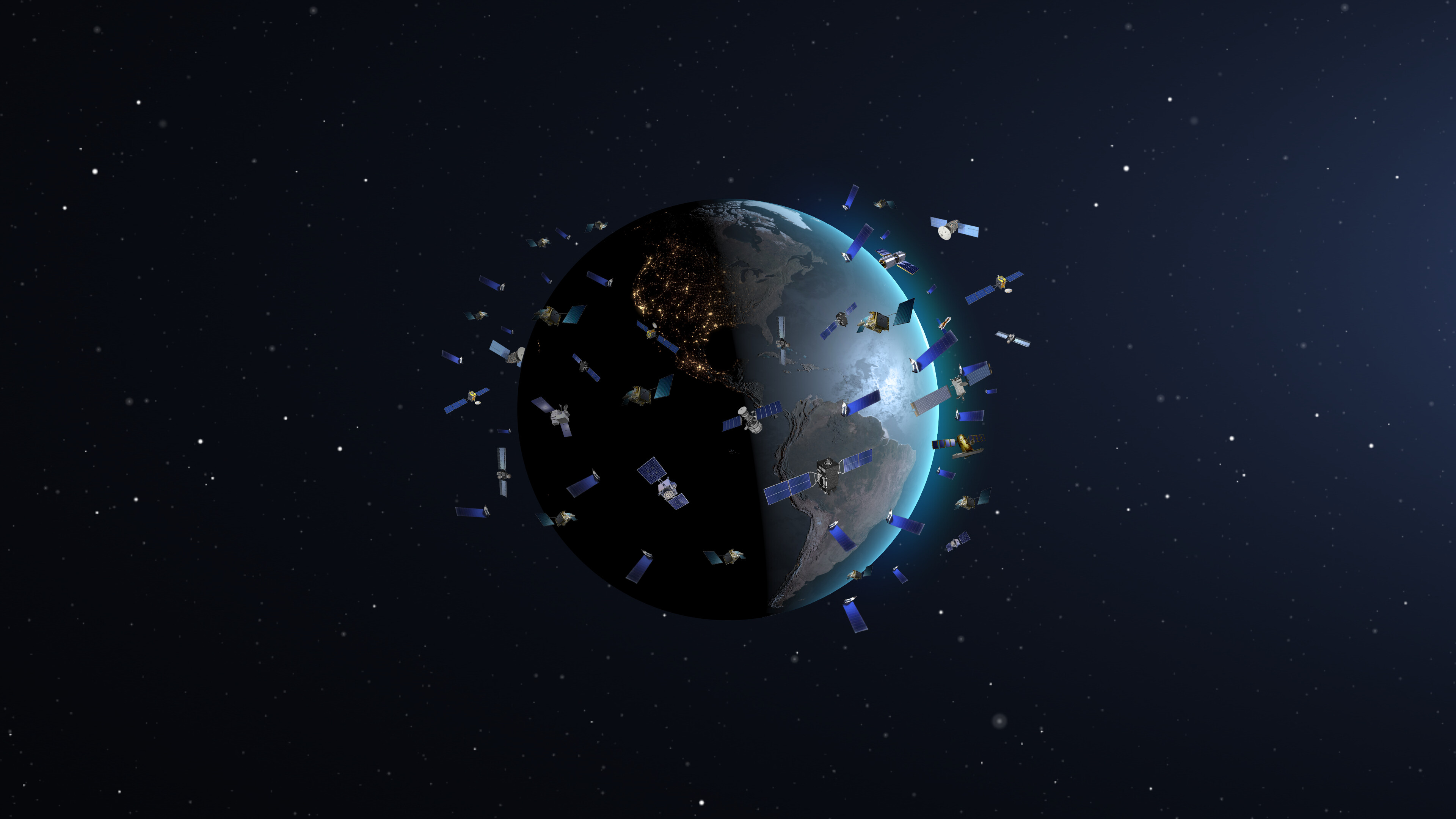
Based on these financial results, SpaceX is no longer a company whose business depends primarily on space launches.
In the third quarter of 2026, its three operating segments presented very different financial profiles.
The Space segment generated approximately $1.8 billion in revenue.
Connectivity, led by Starlink, contributed $5.2 billion.
The largest contribution, however, came from a different business altogether.
Artificial intelligence and computing infrastructure.
The Super Intelligence segment generated approximately $7.6 billion in revenue, making it the company's largest revenue contributor for the quarter.
This shift matters.
The three businesses do not share the same economic characteristics.
Starlink has a particularly attractive feature: recurring revenue supported by a growing subscriber base.
By the end of September 2026, the company reported 13.6 million consumer subscribers. Its Connectivity segment generated approximately $2.4 billion in operating income during the quarter.
The economics of artificial intelligence are different.
Despite strong revenue growth and positive quarterly operating income, its capital requirements remain enormous.
In the third quarter alone, Super Intelligence capital expenditures reached approximately $16.4 billion.
More than twice the segment's quarterly revenue.
This does not mean those investments are misguided. It means their future returns remain a critical question.
Furthermore, part of the revenue increase was associated with the acquisition of Cursor, completed in August 2026. Not all of the reported growth, therefore, came from the company's pre-existing operations.
Revenue growth tells us how quickly a business is expanding.
Not necessarily how much value it is creating.
To understand what is really happening, we need to move beyond the income statement.
And follow the cash.
03 / The Real Question Lies in Cash Flow
In the third quarter of 2026, SpaceX reported approximately $4.4 billion in net income.
An impressive result.
But accounting profits are not the same as the cash left over after a company funds its investments.
And here lies perhaps the most important element of the financial picture.
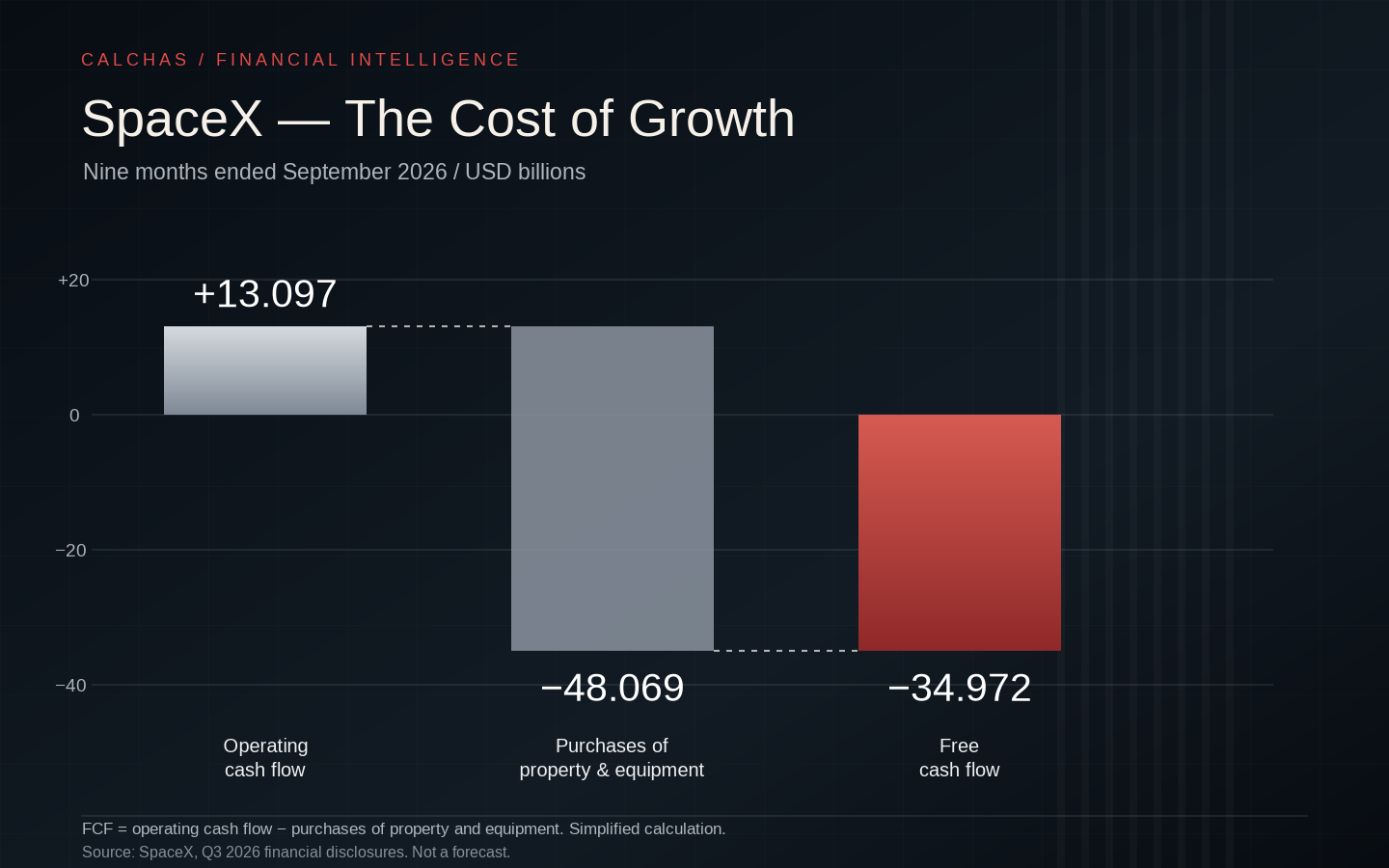
During the first nine months of 2026, SpaceX generated approximately $13.1 billion in operating cash flow.
Over the same period, purchases of property, plant and equipment reached $48.1 billion.
The difference?
Approximately $35 billion in negative free cash flow.
The company's operating activities did not generate enough cash to cover its capital investments.
That does not establish business failure.
It may reflect a deliberate decision to commit substantial capital today in pursuit of greater economic value tomorrow.
The critical question is whether that expectation will be fulfilled.
Nearly $40 billion of the company's capital expenditures during the nine-month period were directed toward Super Intelligence.
These investments in computing infrastructure could support significant future growth.
But they also introduce a risk.
Technology evolves rapidly. Equipment may need to be upgraded or replaced sooner than originally anticipated.
Competitive pressures can also undermine the economic returns of an investment, even when the underlying technology succeeds.
That is why knowing how much a company invests is not enough.
We need to understand the return each additional dollar of invested capital can generate.
Access to financing may allow SpaceX to continue investing despite negative free cash flow.
But the ability to finance growth does not guarantee that growth will create economic value.
The former sustains the journey.
The latter determines whether the journey is worthwhile.
For the long-term investor, then, the question is not whether space or artificial intelligence has a future.
It is whether the capital invested today will earn returns above its cost.
And there is one more factor capable of changing the entire equation.
The price an investor pays to participate in that future.
04 / A Great Business. At What Valuation?
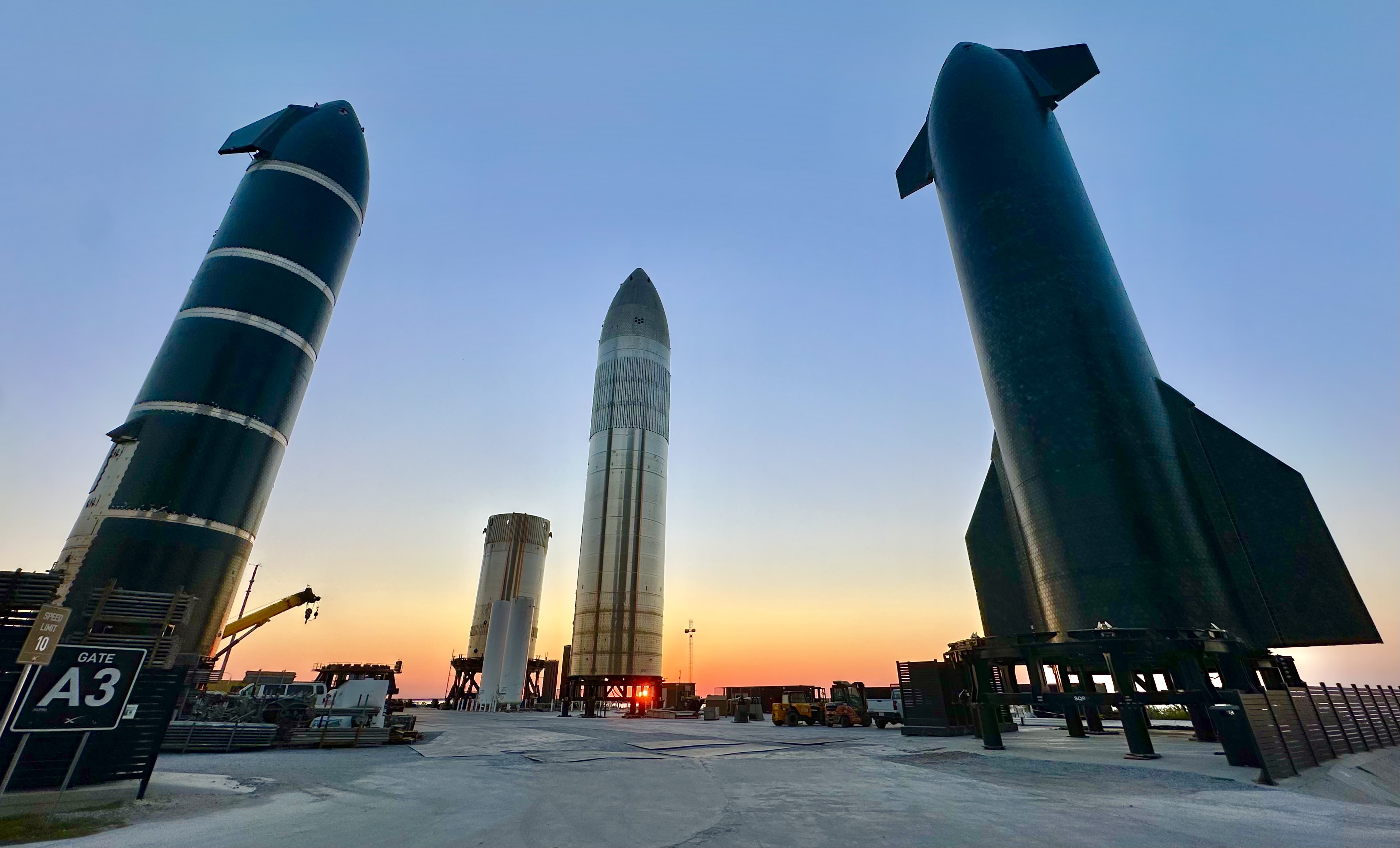
Suppose SpaceX achieves most of its ambitious objectives.
Starlink continues to expand. Launch operations become more efficient. Investments in artificial intelligence begin to generate meaningful returns.
Would that be enough to make SpaceX an exceptional investment?
Not necessarily.
On October 20, 2026, SpaceX's market capitalization stood at approximately $2 trillion.
What does it mean to buy a company at that valuation?
It means paying today for a substantial portion of the success the company hopes to achieve over the coming years.
For investors to earn attractive long-term returns, SpaceX cannot merely continue growing.
Its future financial performance must justify the price being paid.
Consider a simplified valuation exercise.
Starting with a market capitalization of approximately $2 trillion on October 20, 2026, assuming a required annual return of 12% and a hypothetical terminal valuation of 25 times free cash flow in 2031, the calculation implies approximately $141 billion in annual free cash flow by the end of that five-year period.
This exercise considers only the discounted terminal value. It is neither a complete valuation nor a company forecast.
This hypothetical exercise excludes interim distributions, future share dilution, and detailed net debt adjustments.
But it illustrates the scale of the expectations embedded in the price.
During the first nine months of 2026, SpaceX generated approximately $35 billion in negative free cash flow.
The distance between today's financial reality and a future of extraordinary cash generation remains substantial.
Starlink provides a strong foundation of recurring revenue and operating profitability.
Yet the company's future valuation increasingly depends on Super Intelligence.
A rapidly expanding business that demands enormous investment in computing infrastructure.
And this is where the greatest uncertainty lies.
The market can be right about SpaceX's technological success and still overestimate the financial returns its shareholders will ultimately receive.
There is also the question of financing.
If continued expansion requires additional share issuance, the company's total value may rise without a proportional increase in the value attributable to each existing share.
That does not mean every new financing round destroys value.
It means investors must evaluate not only how much the company grows, but how much of that growth benefits each share.
At this valuation, SpaceX requires exceptional execution and high future returns on invested capital.
There is limited room for disappointment.
Which brings us to the investment decision.

05 / The Investor's Ithaca
CALCHAS INVESTMENT VERDICT — WAIT
October 21, 2026
For a long-term investor who does not already own SpaceX shares, the current valuation does not offer a sufficiently demonstrated margin of safety.
Our investment assessment is that initiating a position at this valuation is not justified.
Not because we question the company's technological capabilities.
Nor because we believe its share price must inevitably decline.
SpaceX may continue to grow at an extraordinary pace. Its shares may continue to rise.
But recognizing an exceptional business does not mean that every price represents an attractive investment opportunity.
What could change this assessment?
There are two paths.
The first is a lower valuation.
A decline in the share price could create a greater margin of safety, provided the underlying investment thesis remains intact.
But a falling share price does not automatically make a stock cheap.
The second path is a meaningful improvement in financial performance.
If Starlink continues to strengthen its profitability, and Super Intelligence begins generating substantial, sustainable free cash flow, today's valuation could gradually become more defensible.
In that scenario, the investment opportunity could improve even without a significant decline in the share price.
There is an important distinction for the long-term investor to understand.
Waiting is not a prediction of falling prices. It is a decision not to commit capital until the expected return adequately compensates for the risk.
SpaceX remains a company worth following.
Not by watching every daily movement in its share price.
But by observing whether its investments begin to produce genuine economic value.
Odysseus did not reach Ithaca by ignoring the dangers of his journey.
He reached it because he never lost sight of his destination.
For the investor, that destination is not the next great technological breakthrough.
It is the creation of long-term value.
Because the conquest of space may change the course of human history.
But the price paid for it will shape the fortunes of investors.
Sources & Methodology
SpaceX — Third Quarter 2026 Results. Official earnings release and financial statements, October 20, 2026. SEC — Exhibit 99.1
SpaceX — Form 8-K. Filing with the U.S. Securities and Exchange Commission, October 20, 2026. SEC — Form 8-K
SPCX — Historical Market Data. Closing share price of $147.79 and market capitalization of approximately $2.01 trillion as of October 20, 2026. Yahoo Finance — Historical Prices · Stock Analysis — Market Capitalization
CALCHAS Research — Valuation Analysis. Independent, simplified valuation exercise assuming a 12% required annual return, a five-year investment horizon, and a hypothetical terminal multiple of 25 times free cash flow.
This analysis reflects information available through October 21, 2026. Valuation calculations are not company forecasts or guarantees of future investment returns.